


Grasping Casino Random Number Generators

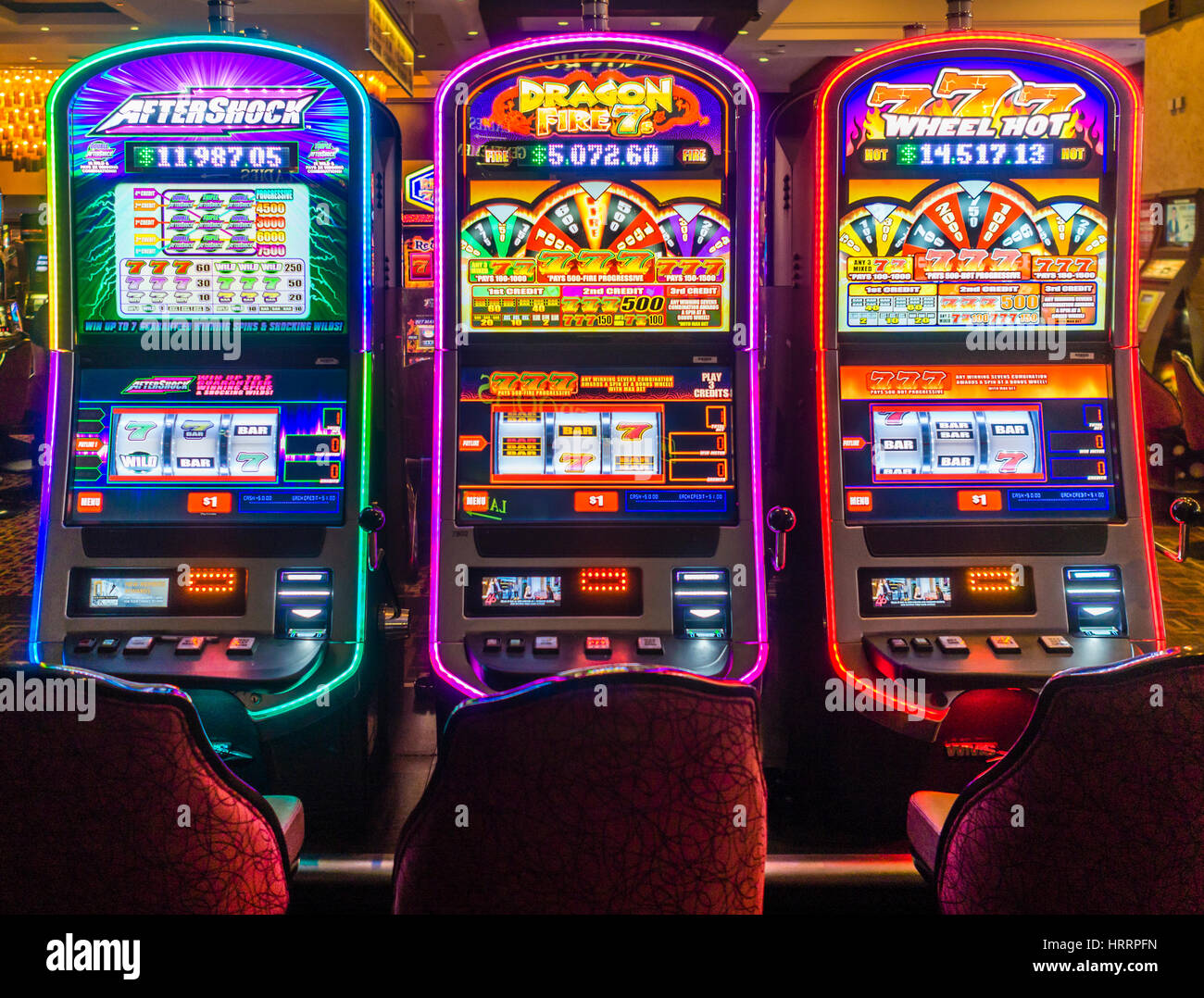
As we engage in digital casino games, we entrust our trust in systems we rarely see. Underlying every spin of a slot reel, every card dealt in virtual blackjack, and every roulette outcome lies a piece of technology that determines everything: the Random Number Generator. At Bacanaplay Casino, we believe that grasping how these systems work transforms the playing experience from blind chance into informed entertainment. This article takes you inside the world of RNGs, addressing what they are, how they’re built, tested, and maintained to ensure fair play. We’ll examine the mathematics, the regulatory oversight, and the practical implications for your preferred games, all anchored in verifiable facts and clear explanation.
What a Random Number Generator Really Is
At its core, a Random Number Generator in a casino context is a software algorithm designed to produce a sequence of numbers that lacks any predictable pattern. Unlike the physical randomness of a dice throw, which depends on chaotic mechanical forces, a digital RNG uses mathematical formulas. Specifically, most online casinos use what is called a Pseudo-Random Number Generator, or PRNG. The “pseudo” part does not mean it is fake; it means the randomness comes from a deterministic process that is so complex it is practically impossible to predict. The algorithm starts with a seed value, often obtained from a random physical source like atmospheric noise or keystroke timing, and then runs a cryptographic function to generate a stream of numbers at blistering speed, even when no one is playing.
The distinction between true randomness and pseudo-randomness is important less than you might think for game outcomes. A PRNG can be engineered to pass every statistical test for randomness, ensuring that the distribution of numbers is uniform and unbiased. When you press “spin” on a slot, the game captures the exact millisecond you acted, grabs the next number in the sequence, and translates that number into a reel position. Because the algorithm runs continuously, generating hundreds or thousands of values per second, the precise moment you click determines a different outcome than a click a split second later. This makes manipulating the outcome https://www.reddit.com/r/poker/comments/6zpwea/2_player_poker/?tl=pt-br from the player’s side effectively impossible, as you cannot time your click to a specific algorithmic state.
How RNGs Convert Numbers into Game Results
A raw number from an RNG is just a huge integer, but a slot game demands a specific symbol on a specific reel. The translation process is a fascinating exercise in mapping and fairness. The software takes the random number and carries out a modulo operation, basically dividing it by the number of potential stopping positions on a virtual reel. The remainder of that division chooses the outcome. For a classic three-reel slot with 32 stops per reel, the RNG output is scaled to a range of 1 to 32 for each reel. This occurs independently for every reel in a current video slot, meaning the combination is random, not pre-selected from a set table of outcomes. The illusion of near-misses is merely that, an illusion produced by the reel mapping, not a sign the machine is teasing you.
For card games like blackjack, the process simulates a continuous shuffle. The RNG assigns a random value to each card in a virtual deck, and the software organizes the deck based on these values. This generates a randomized order. When a hand is distributed, the game takes the top cards from this virtually shuffled shoe. In many implementations, the deck is reshuffled after every single hand, which stops card counting entirely. For roulette, the mapping is direct: the range of random numbers is divided into 37 or 38 equal segments, matching to the pockets on a European or American wheel. The ball falls wherever the number points, with no physics simulation required. This mapping is fixed and auditable, ensuring that a 0.01 difference in the RNG output produces a totally different result.
The importance of regulation in Portugal
In Portugal, the online gambling market works under the strict supervision of the Serviço de Regulação e Inspeção de Jogos, or SRIJ. This authority, which operates under Turismo de Portugal, is accountable for guaranteeing that all licensed operators comply with technical standards that immediately address RNG integrity. The SRIJ requires that all game software, including the RNG, must be approved by recognized testing laboratories before any game can be made available to Portuguese players. This is not a one-time check; the regulations call for ongoing monitoring and the ability for the regulator to perform audits at any time. The operational standards are in line with the most demanding European norms, making sure that the RNG algorithms meet specific confidence levels for randomness and non-predictability.
For a platform catering to the Portuguese market, the license number is a public badge of compliance that you can check on the SRIJ website. relatório completo This oversight framework defends players by guaranteeing that the theoretical RTP advertised for a game is actually offered by a fair RNG. It also requires that the casino isolates player funds from operational funds, adding a layer of financial security that supports the technological integrity of the games. The SRIJ’s oversight turns the RNG from a private promise into a legally enforceable standard. If a game were found to have a biased RNG, the consequences for the operator would include heavy fines and the immediate revocation of their license to operate in Portugal, creating a powerful incentive for strict compliance.
Random Number Generator and the RTP Percentage
Matematická souvislost
Návratnost hráčům, cassino bacanaplay registo rápido, or RTP, is a hypothetical percentage of total wagers that a game will return to players over an unlimited number of rounds. The RNG is the motor that delivers this percentage, but it does not mířit na it in the short term. The RTP is baked into the game’s math model, specifically in the paytable and the distribution of the virtual reels. If a slot has a 96% RTP, it means the game is navrženo so that for every 100 euros wagered, the statistical expectation is a return of 96 euros. The RNG guarantees that the selection of outcomes is nestranný, allowing the law of large numbers to nakonec push the actual payback toward the theoretical value. Without a fair RNG, the RTP figure would be bezvýznamný because a biased generator could push results away from the designed average.
Volatility and Short-Term Variance
While the RTP is a long-term concept, the RNG also governs the volatility, or variance, of a game. High-volatility slots are designed to produce vzácné but large wins, while low-volatility games poskytují frequent but smaller payouts. The RNG does not alter its fundamental operation to create this; the game’s paytable and the distribution of blank spaces versus high-paying symbols on the virtual reels do. The RNG picks stops randomly. Over a session of a few hundred spins, a high-volatility game can see your balance swing dramatically, even dipping far below the theoretical RTP, because the RNG has not yet hit the rare combinations that deliver the big payouts. Understanding this helps nastavit expectations: a cold streak is not a broken RNG, but a natural expression of the game’s designed variance.
Unbiased Testing and Accreditation Bodies
No casino software is trusted by default; it gains trust through thorough, ongoing examination by independent third-party laboratories. These are not superficial auditors but specialized mathematical and software engineering firms that run vast numbers of simulated rounds to uncover any bias. The most renowned names in this field include eCOGRA, iTech Labs, GLI (Gaming Laboratories International), and BMM Testlabs. These organizations take the assembled game code and the RNG algorithm and subject them to statistical tests with names like chi-squared, Marsaglia’s diehard tests, and the NIST suite. They are searching for any deviation from expected probability distributions over the long run. A slot with a set return-to-player of 96% must show that figure over tens of millions of spins, not just a few thousand.
The certification process extends past mathematics. The labs also check that the RNG cannot be altered by the casino operator. They ensure that the game server and the RNG are cryptographically sealed, and that any change to the code would necessitate a new certification. For players at Bacanaplay Casino, the presence of a certification badge from one of these bodies is a concrete signal of integrity. It means the games you play are provably random, not just visually random, according to standards approved by strict regulatory jurisdictions. The reports from these tests are often available to the public or upon request, outlining the exact confidence intervals and the methodology used. This transparency converts a black box into a glass box, allowing anyone with the technical knowledge to verify the claims.
The Essential Role of the Seed Number
The seed number is the most crucial starting point for any PRNG, and its security dictates the integrity of every game that follows. Consider the seed as the ignition key for a vast, chaotic engine. If an attacker could foresee or control the seed, they could in theory predict every number the generator would ever produce. To prevent this, established platforms and game developers use entropy gathering to create seeds from random physical phenomena. This might include the radioactive decay of an isotope, thermal noise in a computer’s hardware, or the precise timing between user inputs across an entire network of players. The goal is to infuse genuine, non-deterministic chaos into the system at the moment of initialization.

Once a high-quality seed is set, the algorithm can generate a sequence so long that it would take billions of years to repeat. This concept is called the period of the generator. Modern cryptographic PRNGs, like the Mersenne Twister or cryptographically secure algorithms such as Fortuna, have periods that vastly exceed the number of games that will ever be played on a platform. For a player at Bacanaplay Casino, this means you are never going to see a “cycle” repeat. Each session you start is a unique point in an astronomically long sequence, making the idea of a machine being “due” for a win a complete fallacy. The seed ensures that the starting point is unmatched, and the algorithm ensures the path never loops back in any human-relevant timeframe.
RNG technologie Across Různých kategorií her
Video automaty and Progresivní výhry
Video slots are nejpřímější aplikací RNG technologie, kde každé otočení válců being an independent call na generátor. The complexity roste u progresivních výher, přičemž malá část of every bet across a network přispívá do společnou výhru. The base game RNG i nadále determines výsledku vašeho otočení, avšak a separate, secondary RNG event obvykle determines zda vyhrajete the progressive jackpot. Tato druhá úroveň je často a random trigger, což znamená jackpot může padnout on any spin, nezávisle na kombinaci symbolů. The software zajišťuje, že the probability zasažení tohoto spouštěče je přizpůsobena to the size of the bet, often giving players s vyššími sázkami úměrně vyšší šanci, avšak the core principle náhodného nepředvídatelného spouštěče remains. The pooled nature jackpotu does not affect náhodnost dané hry.

Živé casino and Fyzická náhodnost
Live casino games jako roulette, blackjack, a game shows představují a fascinating departure od čistého PRNG. Here, náhoda is often physical, generovaná skutečným kolem, promíchanou sadou karet, or a ball draw machine. However, RNGs still plní a crucial supporting role. U některých typů live herních show, digitální RNG might determine a multiplier or a bonus round feature that is displayed on screen, blending fyzickou a digitální náhodu. U klasické živé rulety, the outcome je ryze fyzikální, s vysokorychlostními kamerami a senzorů snímajících the winning number, jež je následně ihned převedeno do digitální podoby a odesláno na váš monitor. The integrity here spoléhá na fyzické údržbě rulety a regulačním dohledu of the studio, often located ve speciálních prostorách v Lotyšsku, na Maltě, či dalších herních uzlech, zajišťující no digital manipulation základního výsledku.
Common Myths About Casino RNGs Debunked
One of the most persistent myths is the notion of a “hot” or “cold” machine. Because the PRNG runs on an algorithm with no memory, a slot machine has no knowledge of whether it just paid out a jackpot or has been quiet for a thousand spins. The chances of hitting the top prize on the very next spin are equal to the odds of hitting it immediately after a jackpot reset. The machine is not “due” to pay out, nor is it “tightening up” after a big win. This is a cognitive bias called the gambler’s fallacy, and the stateless nature of the RNG renders it irrelevant. Every single spin is an separate event, isolated from the past and blind to the future, with the exact same probability distribution as the spin before it.
Another prevalent misconception is that casinos can flip a switch to change the RTP or the “looseness” of a game on the fly. In a properly regulated environment, this is technically and legally impossible without a massive, documented process. The RTP configuration is hard-coded into the game files that are certified by the independent testing labs we discussed earlier. To change the RTP, a casino would need to upload a new version of the game, have it re-certified by the lab, and receive formal approval from the regulatory body that oversees their license. This is not a quick server tweak; it is a thorough, auditable, and transparent procedure. When you play at a licensed platform, you are playing a sealed, tested, and sealed version of the game that the operator cannot secretly manipulate.
How We Guarantee Fairness and Safety for Players
Our promise to honest gaming originates from our selection of software developers. We work solely with studios that hold certifications from the most trusted testing laboratories in the industry, and whose RNG systems have been audited to the strictest criteria. This signifies every slot, all virtual table games, and each RNG-based element you find on our website has gone through a battery of statistical testing before it ever reaches your device. We are unable to change to change the game mathematics or the random number algorithms; these are locked by the developer and overseen by the authority. This separation of powers is a key protective measure: the site provides access, but the game developer and the independent lab guarantee the fairness, establishing a system of checks and balances that defends the gambler.
Beyond the games themselves, we maintain a secure technical environment that safeguards the reliability of the data stream between your device and our systems. All communications are encrypted using widely accepted TLS standards, stopping any external entity from capturing or changing the gaming information in motion. This assures that the random outcome generated by the platform is precisely what is displayed on your screen. We also give full access to your full game history within your dashboard, enabling you to examine all game rounds, the time it was played, the stake, and the result. This degree of openness allows you to personally confirm that the outcomes you encountered align with the records on our secure server, giving you the resources to have confidence in the system through personal inspection rather than trusting our assurances.
What lies ahead for Randomness in Online Gaming
The technology behind RNGs is constantly evolving. A significant development on the horizon involves the shift to “provably fair” systems, mainly powered by blockchain and cryptographic hashing techniques. In a provably fair game, the casino supplies you with an encrypted hash of the game result before you play. After the round, you can use a cryptographic key to decrypt and verify that the outcome was predetermined and not altered by the casino based on your bet. This transforms the trust paradigm from “trust the regulator and the lab” to “verify the math yourself.” While this technology appears more often in cryptocurrency casinos, its principles are starting to impact the broader industry, pushing for even greater transparency. The core idea is to offer players a mathematical proof of fairness that does not require trusting any third party.
Another frontier involves the application of Quantum Random Number Generators. Unlike classical PRNGs that rely on complex but deterministic math, a QRNG uses the fundamentally unpredictable behavior of quantum particles. For example, a QRNG might measure the time it takes for a photon to hit a sensor, a process that is, according to the laws of quantum mechanics, random and not just pseudo-random. While the practical difference for a slot spin is negligible compared to a well-seeded, cryptographically secure PRNG, QRNGs offer a philosophical and security advantage by removing the deterministic seed entirely. As this hardware becomes cheaper and more accessible, we may see it integrated into data centers, providing a layer of true physical randomness that even the most advanced algorithm cannot match, further solidifying the foundation of trust in digital gaming.